
Taiwan’s Lifeline Under Siege: The Silent War Beneath the Waves
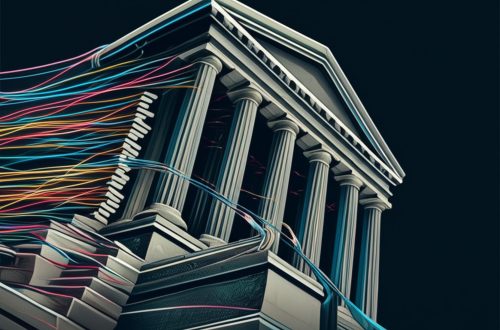
That momentary lag when you tried to open Telegram or scroll through X recently was more than just a fleeting annoyance. It was a tangible symptom of a deep, undersea struggle for digital survival. When the Asia-Pacific Gateway (APG) submarine cable was severed, it wasn’t an isolated incident; it was the latest breach in a long series of assaults on Taiwan’s digital lifeline. These fiber-optic threads, no thicker than a human hair, carry over 99% of the island’s connection to the global internet. They are the invisible arteries of modern commerce, communication, and culture, and they are proving to be alarmingly fragile in one of the world’s most tense geopolitical hotspots.
The waters surrounding Taiwan have become a graveyard for data conduits, with cable cuts occurring at a rate 25 to 50 times the global average. This crisis is fueled by a dual threat. On one hand, the Taiwan Strait is one of the busiest shipping corridors on the planet, making accidental damage from fishing trawlers and errant anchors a constant risk. But a more calculated and sinister pattern has emerged, pointing towards what many analysts call ‘gray-zone warfare.’ An increasing number of incidents involve ‘flag of convenience’ vessels, often with Chinese affiliations, engaging in suspicious activities near critical cable routes before a fault is detected. This transforms a technical issue into a national security emergency, where a ship’s anchor can be wielded with the strategic impact of a missile.
The consequences of these disruptions ripple far beyond slow social media feeds. When a primary cable fails, the internet doesn’t simply shut down; its underlying architecture, the Border Gateway Protocol (BGP), automatically reroutes traffic through alternative pathways. While this demonstrates remarkable resilience, it comes at a cost. Data packets embark on longer, more convoluted journeys, significantly increasing latency. For Taiwan’s world-leading semiconductor industry, which relies on instantaneous data exchange with global partners, or its bustling financial sector, where milliseconds mean millions, such delays are not trivial. The 2023 incident, where both cables to the Matsu islands were cut, offered a stark preview of a larger-scale catastrophe, plunging the islands into a 50-day ‘internet darkness’ and reminding everyone how quickly a digital society can be isolated.
In response, Taiwan is moving from a reactive stance of mere repair to a proactive strategy of building a comprehensive digital shield. This is a multi-layered defense that intertwines technology, law, and infrastructure. The government is fast-tracking the construction of new domestic links, like the upcoming Ta-Ma No. 4 cable, to create more resilient, redundant networks for its outlying islands. Simultaneously, it is building out a robust backup system using microwave and satellite communications, ensuring that no single point of failure can sever a community entirely. On the legal front, authorities are hardening their stance, passing new laws with severe penalties for sabotage and, in a landmark case, prosecuting the captain of a foreign vessel for intentionally destroying a cable—a clear signal that these are no longer being treated as mere accidents.
Ultimately, the repeated severing of Taiwan’s undersea cables exposes the new frontline of modern sovereignty. In the 21st century, a nation’s connection to the world is as vital as its physical borders. These incidents are a persistent, low-grade stress test of Taiwan’s national resilience, forcing it to innovate and adapt in the face of constant pressure. The ongoing struggle is not merely about maintaining bandwidth; it’s about defending the nation’s right to an open, unimpeded digital future. How Taiwan shores up these underwater defenses will be a defining factor in its ability to secure its autonomy in an increasingly contested world, proving that true strength lies not just in military might, but in digital fortitude.

傑西
If you want to increase your IQ, EQ, and financial intelligence, be sure to subscribe to our website! The content on our website will help you improve yourself. Imagine yourself leveling up in a game, making yourself stronger!If you find this article helpful for you or your loved ones, please share it with others so that more people can benefit from it!